
Be yourself; Everyone else is already taken.
— Oscar Wilde.
This is the first post on my new blog. I’m just getting this new blog going, so stay tuned for more. Subscribe below to get notified when I post new updates.
Be yourself; Everyone else is already taken.
— Oscar Wilde.
This is the first post on my new blog. I’m just getting this new blog going, so stay tuned for more. Subscribe below to get notified when I post new updates.
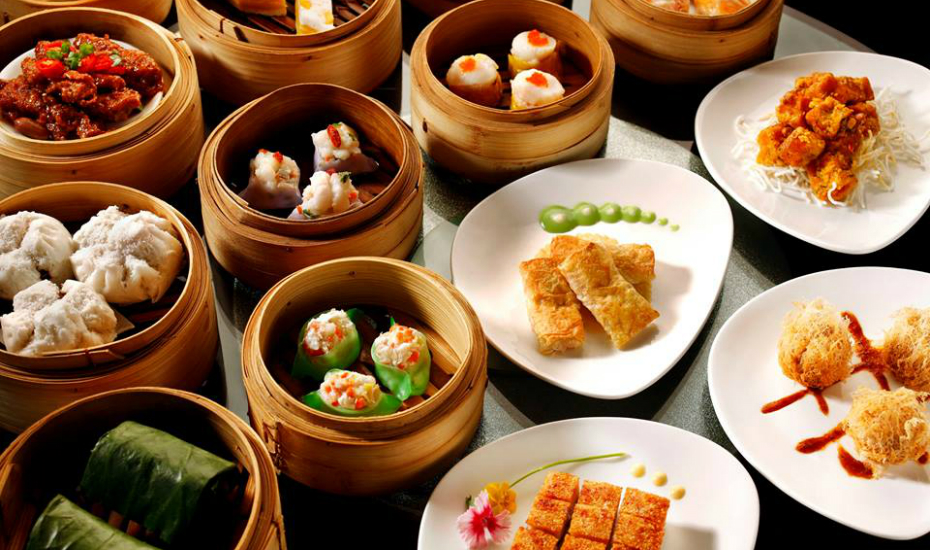
Chinese cuisine is an important part of Chinese culture, which includes cuisine originating from the diverse regions of China, as well as from Chinese people in other parts of the world. Because of the Chinese diaspora and historical power of the country, Chinese cuisine has influenced many other cuisines in Asia, with modifications made to cater to local palates. Chinese food staples such as rice, soy sauce, noodles, tea, and tofu, and utensils such as chopsticks and the wok, can now be found worldwide
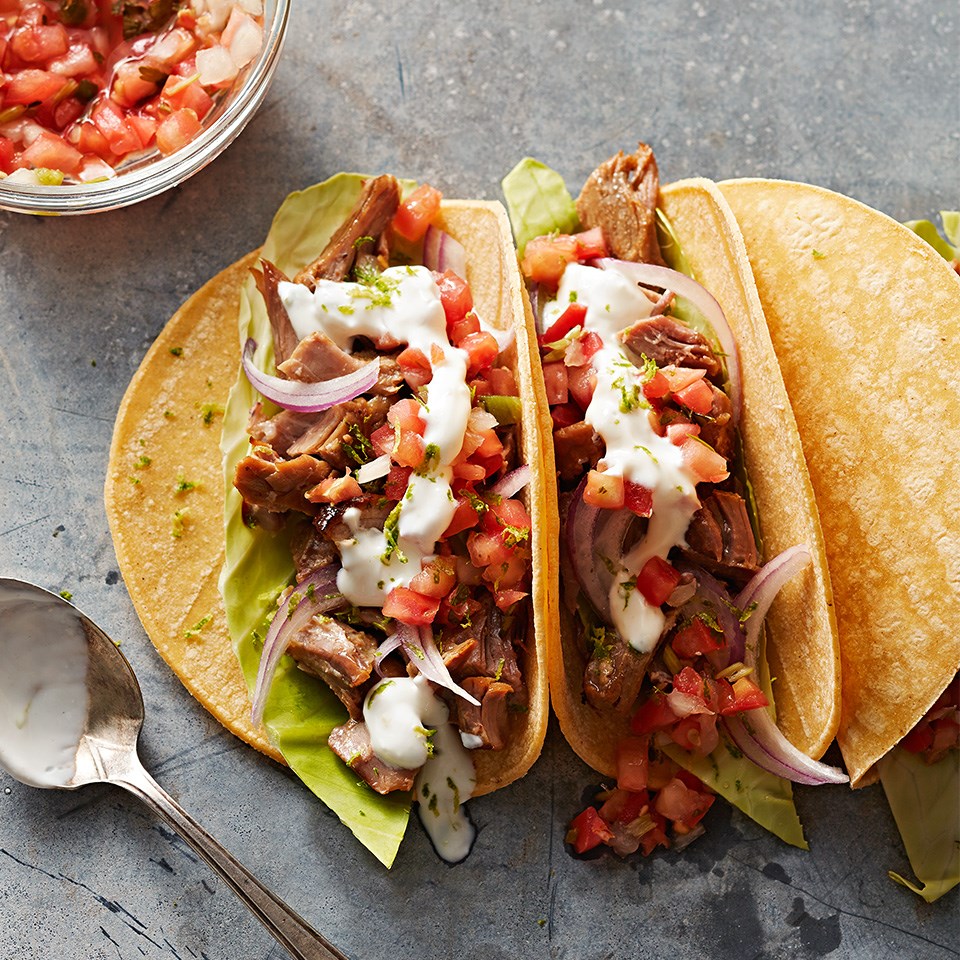
Mexican cuisine began about 9000 years ago, when agricultural communities such as the Maya formed, domesticating maize, creating the standard process of corn nixtamalization, and establishing their foodways. Successive waves of other Mesoamerican groups brought with them their own cooking methods. These included the Olmec, Teotihuacanos, Toltec, Huastec, Zapotec, Mixtec, Otomi, Purépecha, Totonac, Mazatec, and Mazahua.
The Mexica establishment of the Aztec Empire created a multi-ethnic society where many different foodways became infused. The staples are native foods, such as corn (maize), beans, squash, amaranth, chia, avocados, tomatoes, tomatillos, cacao, vanilla, agave, turkey, spirulina, sweet potato, cactus, and chili pepper.
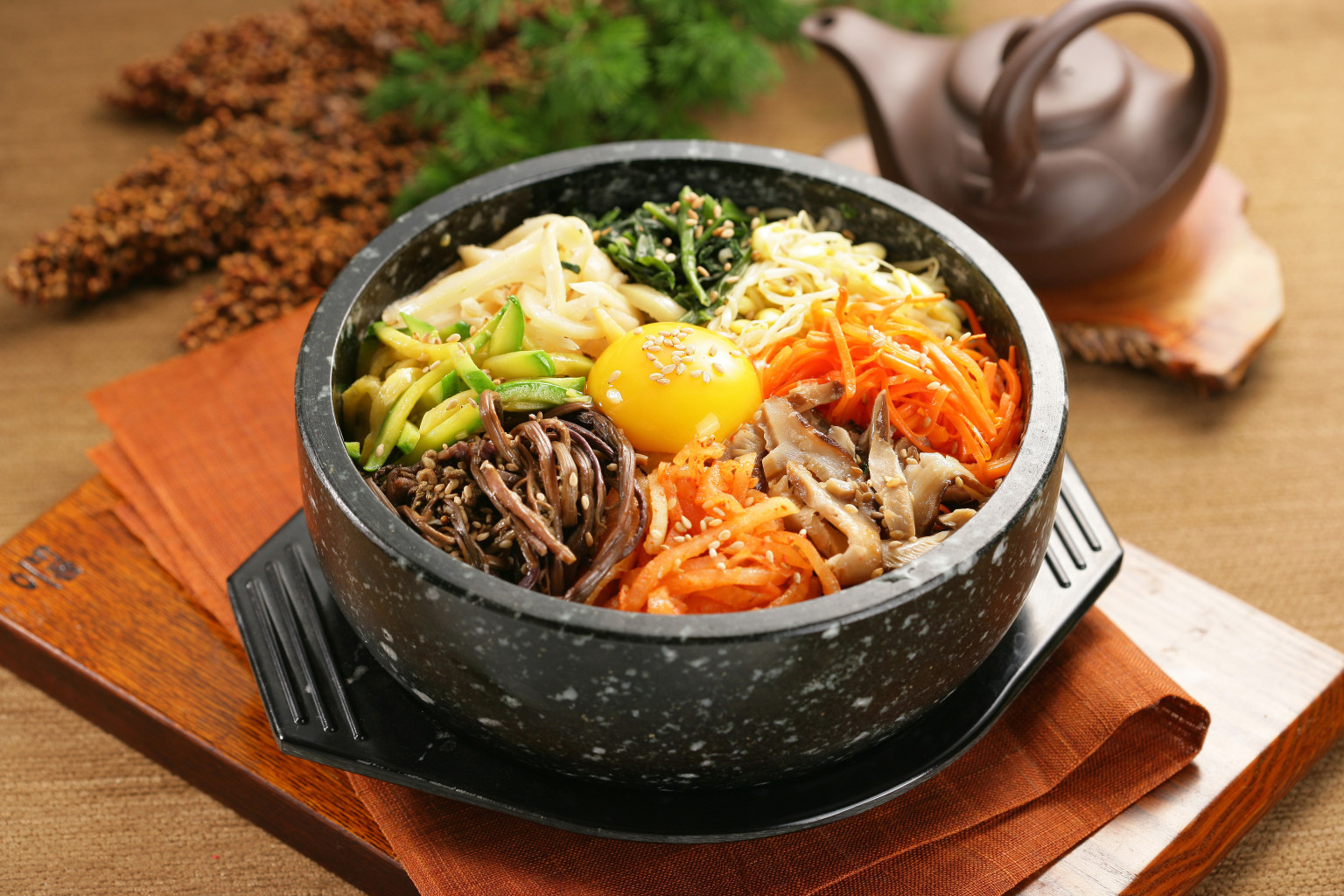
Korean cuisine is the customary cooking traditions and practices of the culinary arts of Korea. Korean cuisine has evolved through centuries of social and political change. Originating from ancient agricultural and nomadic traditions in Korea and southern Manchuria, Korean cuisine has evolved through a complex interaction of the natural environment and different cultural trends.[1][2]
Korean cuisine is largely based on rice, vegetables, and meats. Traditional Korean meals are named for the number of side dishes (반찬; 飯饌; banchan) that accompany steam-cooked short-grain rice. Kimchi is served at nearly every meal. Commonly used ingredients include sesame oil, doenjang (fermented bean paste), soy sauce, salt, garlic, ginger, pepper flakes, gochujang (fermented red chili paste) and napa cabbage.
Ingredients and dishes vary by province. Many regional dishes have become national, and dishes that were once regional have proliferated in different variations across the country. Korean royal court cuisine once brought all of the unique regional specialties together for the royal family. Foods are regulated by Korean cultural etiquette.
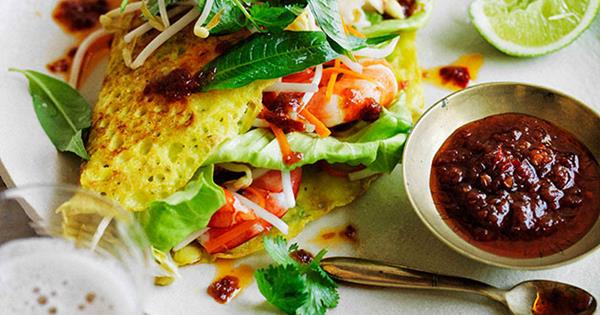
Bánh xèo, literally “sizzling pancake”, named for the loud sizzling sound it makes when the rice batter is poured into the hot skillet;[1][2] it is a Vietnamese savory fried pancake made of rice flour, water, and turmeric powder. It is stuffed with individual preferences, and served vegetarian[3] or with meat. Some common stuffings include: pork, shrimp, diced green onion, mung bean, and bean sprouts.
This is an example post, originally published as part of Blogging University. Enroll in one of our ten programs, and start your blog right.
You’re going to publish a post today. Don’t worry about how your blog looks. Don’t worry if you haven’t given it a name yet, or you’re feeling overwhelmed. Just click the “New Post” button, and tell us why you’re here.
Why do this?
The post can be short or long, a personal intro to your life or a bloggy mission statement, a manifesto for the future or a simple outline of your the types of things you hope to publish.
To help you get started, here are a few questions:
You’re not locked into any of this; one of the wonderful things about blogs is how they constantly evolve as we learn, grow, and interact with one another — but it’s good to know where and why you started, and articulating your goals may just give you a few other post ideas.
Can’t think how to get started? Just write the first thing that pops into your head. Anne Lamott, author of a book on writing we love, says that you need to give yourself permission to write a “crappy first draft”. Anne makes a great point — just start writing, and worry about editing it later.
When you’re ready to publish, give your post three to five tags that describe your blog’s focus — writing, photography, fiction, parenting, food, cars, movies, sports, whatever. These tags will help others who care about your topics find you in the Reader. Make sure one of the tags is “zerotohero,” so other new bloggers can find you, too.
 Loc Ngo